104 matches. 16 stadiums. 3 countries. 3 time zones. The 2026 World Cup is the most geographically sprawling tournament in the history of the sport — and that's not just a fun fact for your pub trivia night. It has real, measurable consequences for how teams perform, and most bettors are sleeping on it completely.
Altitude. Texas heat. Freshly laid grass over NFL turf. Six hours of travel between group stage games. These are the kinds of edges that sharp bettors look for. This article breaks down exactly what each city and each venue actually means for the teams playing there — and where the lines might not be telling the full story.
16 Stadiums, Three Zones and Some Brutal Travel Schedules
FIFA split the tournament into three geographic clusters to keep travel somewhat manageable.
- Western zone: Vancouver (Canada), Seattle, San Francisco, Los Angeles, Guadalajara (Mexico).
- Central zone: Mexico City, Monterrey, Houston, Dallas, Kansas City, Atlanta.
- Eastern zone: Toronto (Canada), Boston, Philadelphia, New York/New Jersey, Miami.
Here's the thing: even with that structure, some teams are going to be moving across the continent between matches. Vancouver to Miami is over five hours in the air and a three-hour time zone swing. When you're playing every four or five days, that's not nothing. Most of the public betting market won't price that in — and that's where opportunity lives.
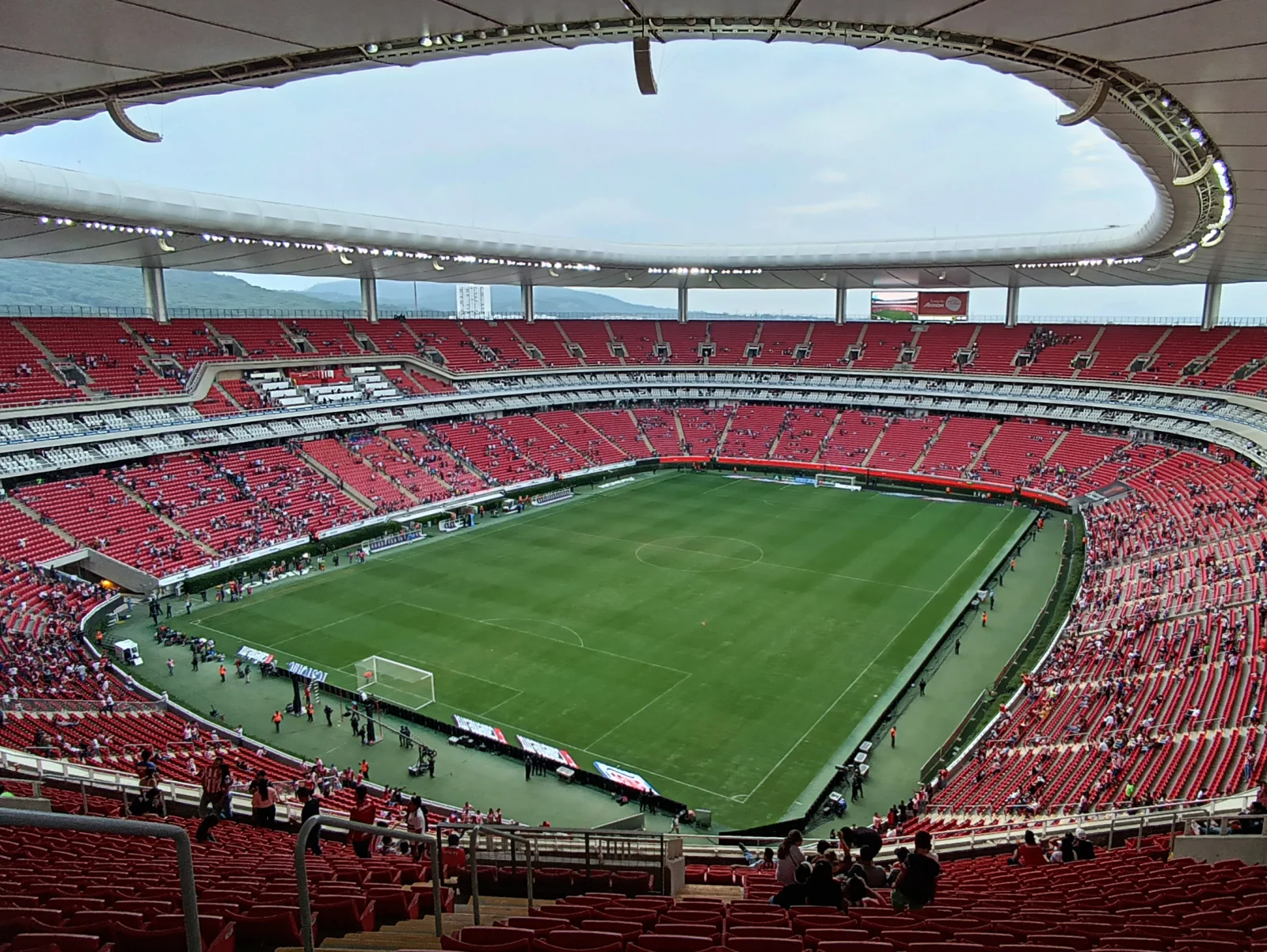
Heat: The Factor That's Going to Blindside European Teams
The tournament runs June 11 through July 19 — peak North American summer. In certain cities, the weather alone is going to be a significant matchup factor.
NRG Stadium, Houston
Average highs of 93–95°F (33–35°C) in June and July, with humidity regularly above 80%. The stadium is enclosed with AC, but teams train and warm up outside in that heat. It's an oven before kickoff.
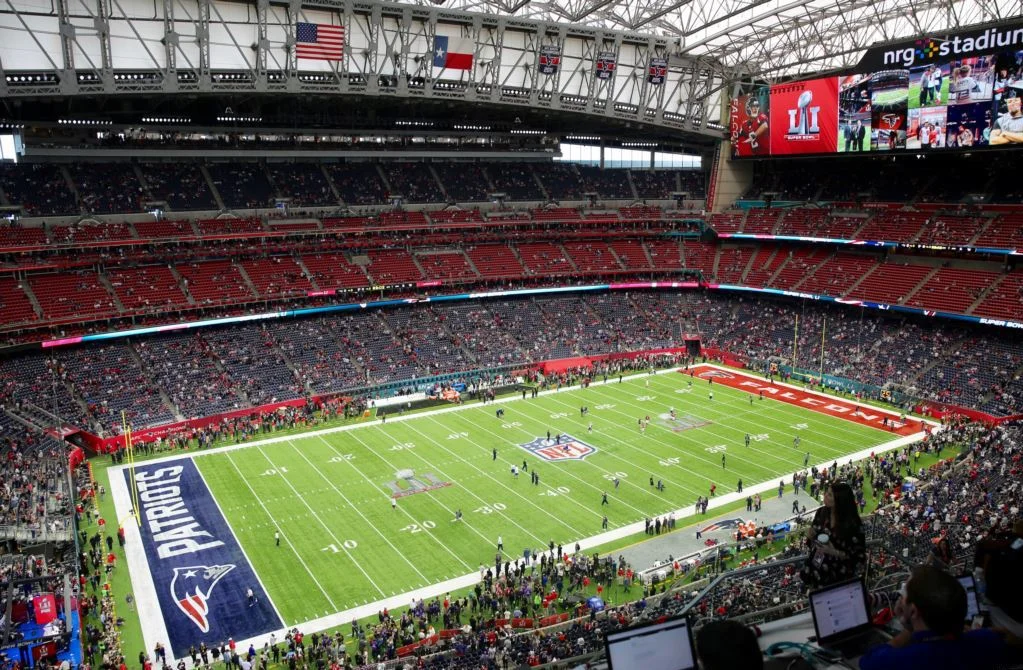
AT&T Stadium, Dallas
Same story, 95°F+ in summer. Covered roof with climate control inside, but the environmental adjustment for visiting teams starts long before the whistle.
Hard Rock Stadium, Miami
90–93°F and tropical humidity, with one key difference: this stadium is open-air. No roof. No AC. Daytime matches here are going to be physically brutal. Miami also hosts the third-place match, so it'll be relevant deep into the tournament.
Mercedes-Benz Stadium, Atlanta
Around 90°F on average, but the retractable roof can close for temperature control during matches.
Estadio Azteca, Mexico City
Temperatures are moderate, roughly 72–79°F because of the altitude. But altitude brings its own set of problems (more on that in a moment).
What this means when you're building your bets
Northern European national teams — Scandinavia, Scotland, the Netherlands — are going to be the ones most exposed here. These squads train and compete in temperatures of 50–68°F. Asking them to perform at full intensity in 95°F Texas heat with 80% humidity is a legitimate physiological stressor. Watch for pace dropping off in the second half, especially in the open-air venues.
By contrast, squads from Sub-Saharan Africa, South America, and the Middle East are much better adapted to heat and humidity. Senegal in Miami or Saudi Arabia in Houston is a very different conversation than Norway in the same venue.
On the betting side: the second-half Under has value in extreme-heat matches at open stadiums. Players fatigue faster, transitions slow down, and what looks like a high-scoring setup through 60 minutes can crawl to a 1-0 final.
Mexico City Altitude: The Edge Bettors Keep Underpricing
Estadio Azteca sits at 7,349 feet (2,240 meters) above sea level. It's the only stadium in this tournament at significant altitude, and it matters more than the odds typically reflect.
At that elevation, the air holds roughly 20% less oxygen than at sea level. The effects are concrete and measurable: aerobic capacity drops, recovery between sprints slows down, and the ball actually travels faster and bounces differently due to lower air resistance.
Mexico opens against South Africa at the Azteca. El Tri trains and plays at this altitude year-round. South Africa does not. That's a real edge — the kind that shows up in the second half when legs are heavy and lungs are burning.
Teams from mountainous South American nations have a similar built-in advantage here. Ecuador, for instance, trains in Quito at over 9,000 feet. European teams without regular altitude camps may find the first match at the Azteca more difficult than the odds suggest, particularly in the second 45 minutes.
The Surface Problem: Natural Grass Over NFL Turf
This one's more technical, but it's worth understanding. Virtually all 16 venues are NFL stadiums built for American football — which means they were designed around synthetic turf. For the World Cup, FIFA is installing natural grass on top of the existing playing surfaces.
At MetLife Stadium (home of the final), a Tahoma 31 bermudagrass hybrid was grown for 10 months in North Carolina, then transported and installed on a 45-centimeter sand base with a built-in ventilation and irrigation system underneath.
During the 2025 Club World Cup at MetLife, multiple European coaches flagged the surface. Porto manager Niko Kovac described it as "soft" and "not dry enough," noting the ball moved slower than expected. That kind of feedback carries real implications for how matches play out.
A slower, softer surface tends to benefit direct, physical teams over sides that rely on quick combination play and fast passing rhythms. If early group stage results confirm the surface issues from Club World Cup, teams like Spain and Germany — whose entire offensive identity is built around tempo and ball movement — could be slightly underperforming expectations at certain venues.
Keep an eye on player and coach quotes from the opening matches. The surface will vary by stadium and maintenance schedule. Early data is everything.
Open vs. Domed: Why Weather Exposure Matters
Not all 16 stadiums are created equal when it comes to weather protection.
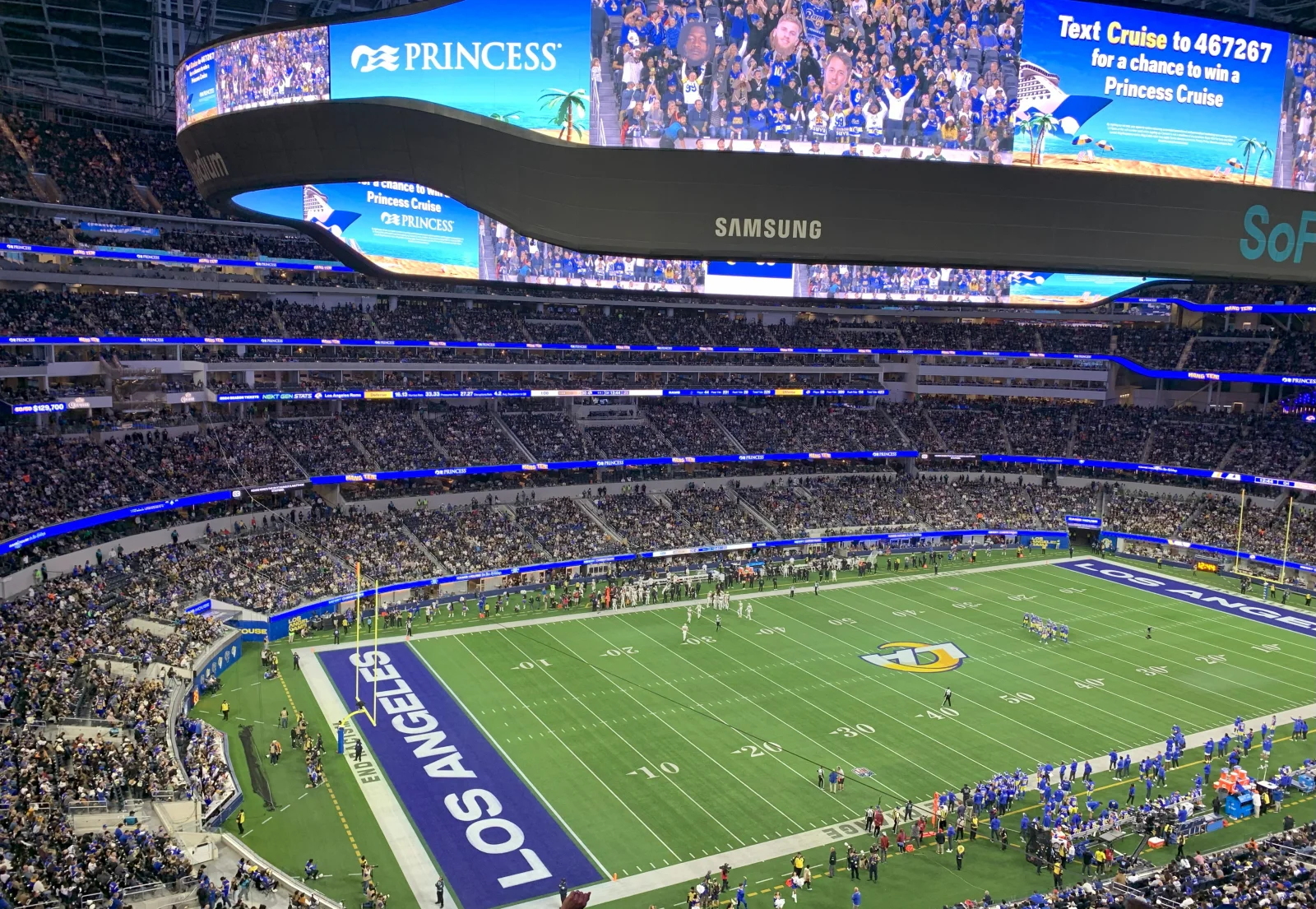
- Covered or retractable roof (controlled environment): Dallas (AT&T Stadium), Atlanta, Houston, Los Angeles (SoFi Stadium), Vancouver (BC Place).
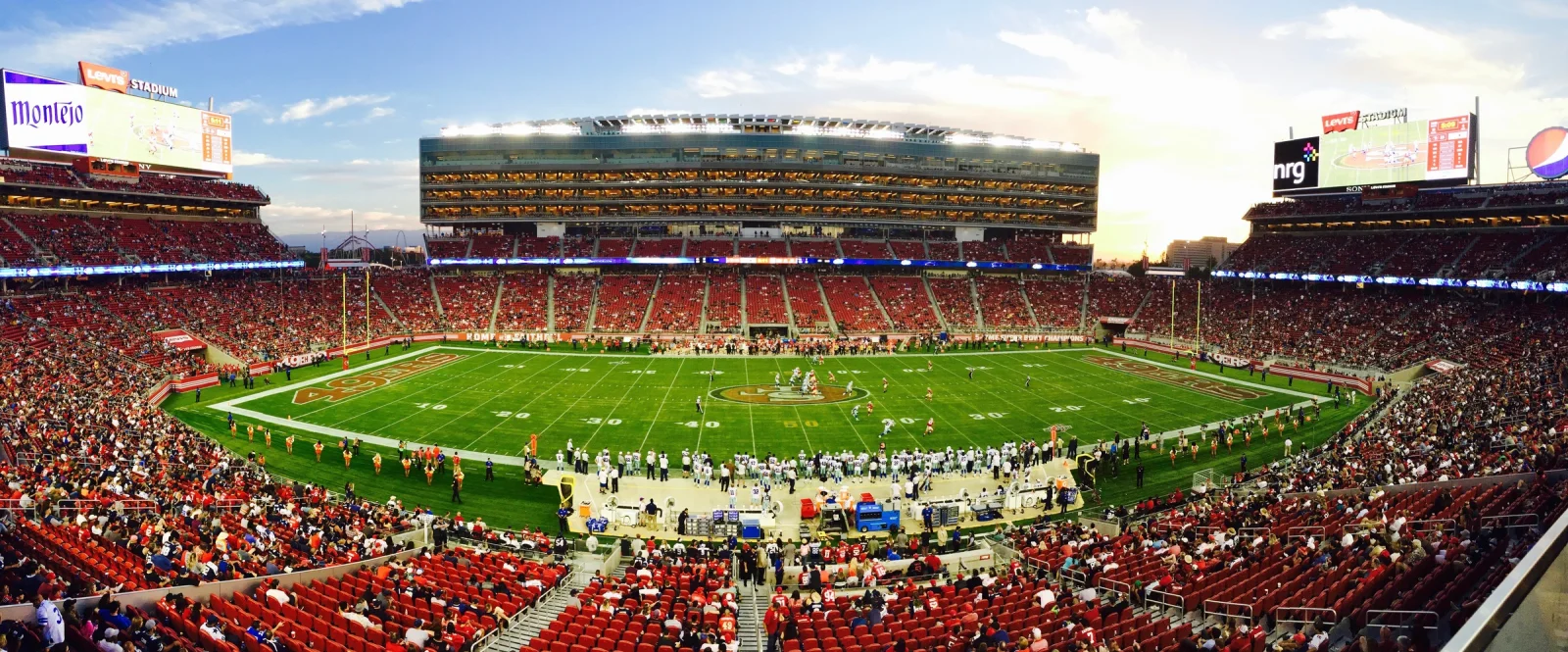
- Open-air stadiums (exposed to elements): MetLife (New York), Hard Rock (Miami), Estadio Azteca (Mexico City), Lumen Field (Seattle), Gillette Stadium (Boston), Lincoln Financial Field (Philadelphia), Levi's Stadium (San Francisco), Arrowhead Stadium (Kansas City), BMO Field (Toronto), Estadio Akron (Guadalajara), Estadio BBVA (Monterrey).
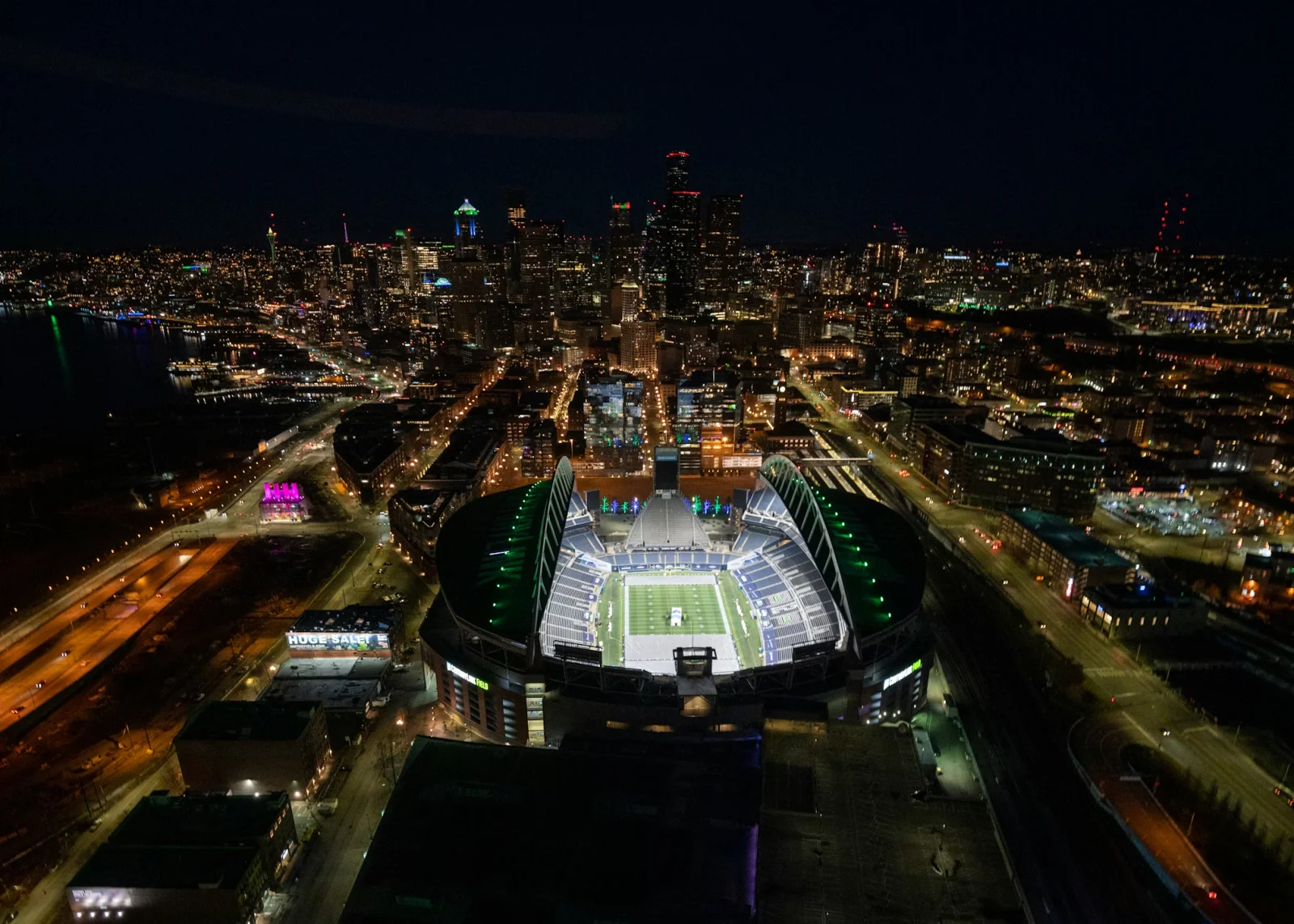
That's a lot of open venues. And summer weather in the southeastern US is unpredictable — afternoon thunderstorms roll through Miami and Atlanta with regularity in June and July. Rain changes everything: slippery surfaces, aerial duels, slower transitions, more set pieces, higher card counts.
When a storm is in the forecast for an open-air match in Miami or Kansas City, revisit your card markets and your second-half goal totals before the lines move.
Travel and Fatigue: The Biggest Under-Rated Factor in This Tournament
Qatar 2022 was essentially played within a 30-mile radius. This tournament is the complete opposite. Teams will be flying between matches, crossing time zones, and adjusting to completely different climates every four or five days.
Take a hypothetical: a team plays in Vancouver on Tuesday (55°F, Pacific time), then flies to Miami for Saturday (90°F and humid, Eastern time). That's a three-hour time zone shift, a 40°F temperature swing, and the physical toll of cross-country travel — all before kickoff.

Most sportsbooks are not going to fully price in cumulative travel fatigue across a group stage. Check the locations of each team's fixtures before you bet. A squad with a geographically favorable schedule — say, all three group matches within the same regional cluster — has a real structural advantage over one bouncing coast to coast.
Groups where teams play both Mexican venues (Mexico City and Guadalajara) are particularly well-positioned logistically. Groups where fixtures span multiple zones are where fatigue risk is highest.
Your Pre-Bet Checklist for Every World Cup Match
Before locking in any bet during the tournament, add these to your process:
- Which stadium is hosting? Open-air or covered? What does the weather forecast look like?
- Which team is more climate-adapted? A Scandinavian squad in Houston in July is a very different proposition than a West African squad in the same city.
- What does the travel schedule look like? Where was each team the last time they played, and what did the journey require?
- What's the surface situation at this venue? Any early-tournament feedback on pace and ball movement?
These are the angles that 95% of bettors skip entirely. That's exactly why they're worth building into your process — and exactly why tracking your results match by match, note by note, is what separates bettors who get better from those who just keep losing money in new ways.
If you're betting the World Cup seriously, log every match: the factors you considered, the line you took, the result. After the tournament, your own data will tell you whether altitude and heat were worth tracking or just noise. That's the kind of feedback loop that mybankroll.io is built for.
Frequently asked questions
How many stadiums host the 2026 FIFA World Cup?
The 2026 World Cup is played across 16 stadiums in 3 host nations: 11 in the United States, 3 in Mexico, and 2 in Canada. This is the first World Cup co-hosted by three countries — a new format adding a logistical layer to betting strategy.
What is the largest stadium at the 2026 World Cup?
MetLife Stadium in East Rutherford (New Jersey, USA) is the largest by capacity at 82,500 seats — and will host the final on July 19, 2026. AT&T Stadium in Dallas (expandable to 105,000) and Estadio Azteca in Mexico City (87,000) round out the top 3.
Where is the 2026 World Cup final?
The final is on Sunday, July 19, 2026 at MetLife Stadium, East Rutherford, NJ — about 30 minutes from Manhattan. The opening match is on June 11, 2026 at Estadio Azteca in Mexico City — meaningful, given Mexico already hosted the 1970 and 1986 finals.
Which 2026 World Cup stadiums have retractable or fixed roofs?
Five stadiums are enclosed or have retractable roofs: AT&T Stadium (Dallas), Mercedes-Benz Stadium (Atlanta), NRG Stadium (Houston), SoFi Stadium (Los Angeles, fixed ETFE roof), and BC Place (Vancouver). The other 11 are open or partially covered — a key weather factor for outdoor markets.
How does Mexico City's altitude affect 2026 World Cup betting?
Estadio Azteca sits at 7,350 feet (2,240m) — the only World Cup venue at high altitude. Oxygen is ~20% lower than at sea level, fatiguing teams unaccustomed to it (especially in the second half). Mexico opens against South Africa here — a quantifiable home edge worth factoring into match bets.
Which 2026 World Cup stadium has the most challenging climate?
NRG Stadium (Houston) and Hard Rock Stadium (Miami) are the toughest: 90-95°F (33-35°C) with humidity above 75%. Houston has a retractable roof, Miami doesn't. Northern European teams (Norway, Sweden) will struggle physically here — relevant for under bets in second halves.
How many matches does each 2026 World Cup stadium host?
MetLife Stadium hosts the most: 8 matches, including the final. Most stadiums host 5 to 7. Mexican cities (Mexico City, Monterrey, Guadalajara) each host 4-5 matches. The full match distribution is detailed earlier in this article.
2026 World Cup Venues — Comparison Table
Capacity, roof type, country, year built, and number of scheduled matches. Click any venue for the deep-dive analysis.
| Stadium | City | Country | Capacity | Roof | Year | Matches |
|---|---|---|---|---|---|---|
| Estadio Azteca | Mexico City | Mexico | 87,000 | Open | 1966 | 5 |
| MetLife Stadium | New York / New Jersey | USA | 82,500 | Open | 2010 | 8 |
| AT&T Stadium | Arlington (Dallas) | USA | 80,000 | Retractable | 2009 | 9 |
| Arrowhead Stadium | Kansas City | USA | 76,416 | Open | 1972 | 6 |
| NRG Stadium | Houston | USA | 72,220 | Retractable | 2002 | 7 |
| Mercedes-Benz Stadium | Atlanta | USA | 71,000 | Retractable | 2017 | 8 |
| SoFi Stadium | Inglewood (Los Angeles) | USA | 70,240 | Fixed ETFE | 2020 | 8 |
| Lumen Field | Seattle | USA | 68,740 | Partial | 2002 | 6 |
| Levi's Stadium | Santa Clara (San Francisco) | USA | 68,500 | Open | 2014 | 6 |
| Lincoln Financial Field | Philadelphia | USA | 67,594 | Open | 2003 | 6 |
| Hard Rock Stadium | Miami Gardens | USA | 65,326 | Partial | 1987 | 7 |
| Gillette Stadium | Foxborough (Boston) | USA | 64,628 | Open | 2002 | 7 |
| BC Place | Vancouver | Canada | 54,500 | Retractable | 1983 | 7 |
| Estadio BBVA | Monterrey | Mexico | 51,000 | Open | 2015 | 4 |
| Estadio Akron | Guadalajara | Mexico | 49,813 | Partial | 2010 | 4 |
| BMO Field | Toronto | Canada | 45,000 | Open | 2007 | 6 |